


Relevance
01
How well your business matches what someone is searching for.


AI Search
AI Platforms
Your customers are searching for businesses like yours in their area.
Devomarks helps Canadian businesses strengthen their local search presence across Google Search, Google Maps and their own websites.
Our Local SEO services connect Google Business Profile optimization, local keyword research, website improvements, relevant content, reviews and technical SEO. The goal is to help the right customers discover your business, understand your services and take the next step, whether that means calling, requesting a quote, booking an appointment or visiting your location.
Tell us about your business, the services you want to grow and the locations you serve. We can discuss your current local search presence and identify practical opportunities to improve it.

[ Local Search ]
Local visibility is not created by adding a city name to a page or publishing the same location page repeatedly. It depends on making your business relevant to local searches, accurately represented across important platforms and useful to the customers you want to reach.
A strong Local SEO strategy brings together your Google Business Profile, website, service information, reviews, local references and conversion paths. It also considers your business model, including whether customers visit your premises, whether you travel to them or whether you operate across multiple locations.
The objective is to create a consistent local search presence that supports discovery, builds confidence and helps potential customers make informed decisions.
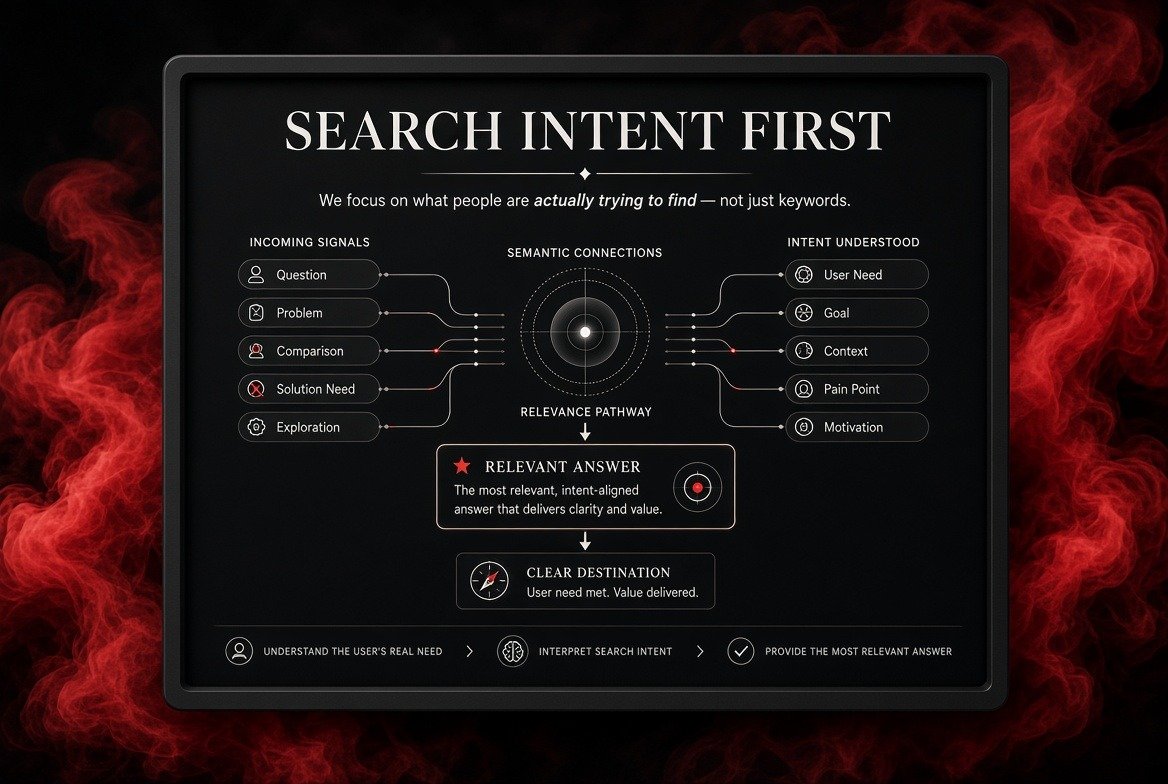
How well your business matches what someone is searching for.
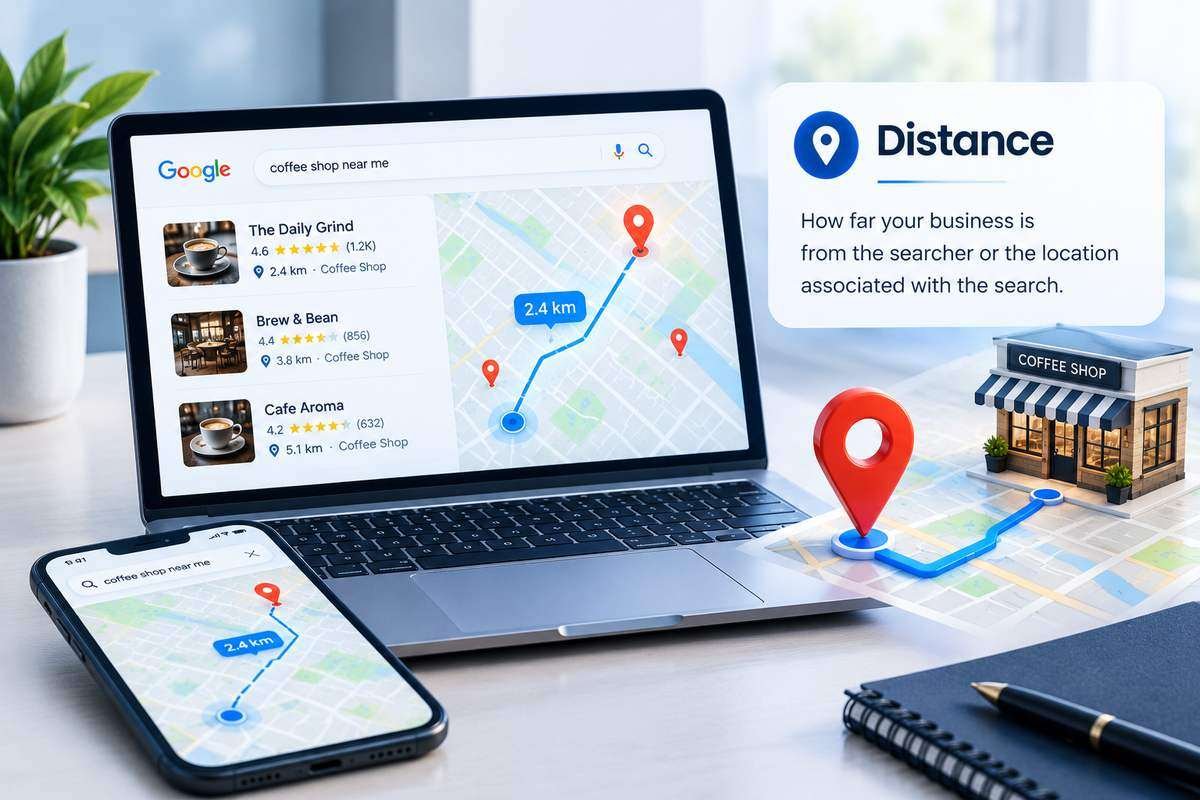
How far your business is from the searcher or the location associated with the search.
How well-known the business is, informed by factors such as reviews and references across the web.

Local SEO can improve the accuracy, relevance and credibility of your digital presence. It cannot control a searcher’s location, eliminate competitors or guarantee a specific position.
That is why our approach focuses on sustainable improvements, useful customer experiences and measurable business outcomes rather than ranking promises.
[ Our Services ]
Your Google Business Profile can be one of the first places a potential customer encounters your business. Accurate, complete and useful information helps customers understand what you offer, where you operate and how to contact you.
Depending on your business model and eligibility, our recommendations may cover:
Google recommends keeping Business Profile information accurate, verifying eligible profiles, responding to reviews and adding relevant photos or videos.
Optimization must reflect the real business. We do not recommend keyword-stuffing a business name, using misleading addresses or creating profiles for locations that do not meet Google’s eligibility requirements.
For service-area businesses, we consider how the business actually serves customers and how its address and service areas should be represented under Google’s guidelines.
Local searches reflect a combination of service needs, location, urgency and purchase intent. Someone searching for an emergency repair may need immediate contact information, while someone comparing professional service providers may require detailed service information, expertise and evidence before making a decision.
We research opportunities relevant to your business, including:
We use these findings to prioritize relevant opportunities rather than producing a keyword list without a clear purpose.
The result is a more focused direction for your Business Profile, website pages, supporting content and internal linking strategy.
Your website provides the context that a Business Profile cannot communicate on its own. It explains your services, demonstrates your expertise, answers customer questions and guides visitors towards useful next steps.
Our local website optimization recommendations may include:
The goal is not to make every page sound artificially local. It is to provide specific, accurate information that helps both people and search systems understand why the page is relevant.
Where broader organic search improvements are needed, our SEO services can support the technical, on-page and content foundations that contribute to a stronger search presence.
A business with a customer-facing location, a service-area business and a multi-location company do not need the same website structure.
For a genuine location or service area, a useful page may explain:
Each page should provide meaningful value for the location it covers.
Publishing dozens of near-identical pages by changing only a city name does not establish genuine local relevance. Thin or repetitive pages can create a poor customer experience and may fall within Google’s guidance on doorway abuse when they are created primarily to capture similar searches without providing distinct value.
We prioritize useful location information, clear service availability and a structure that reflects how the business actually operates.
A local citation is a reference to your business on another website or directory. Its value depends on factors such as relevance, accuracy and usefulness, not simply the number of listings created.
We review important business information across your website, Google presence, relevant directories, social profiles and other available sources.
Depending on the findings, recommendations may include:
We prioritize sources that matter to your customers and industry instead of promising an arbitrary number of directory submissions.
Consistent information helps customers verify your business and supports a clearer understanding of its identity. However, citation volume alone does not guarantee stronger local rankings.
Reviews help potential customers evaluate a business before contacting it. They also contribute to the wider reputation and prominence associated with a local business.
Our recommendations may include:
Reviews should reflect genuine customer experiences and comply with the policies of the relevant platform. We do not recommend fake reviews, prohibited incentives or selective review practices designed to mislead customers.
The objective is to support a credible reputation and make customer feedback useful to both the business and prospective buyers.
A credible local presence can be supported by meaningful relationships and references from relevant organizations and publications.
Depending on your industry and business model, opportunities may include local associations, professional organizations, community partnerships, suppliers, industry publications, original resources and expert contributions.
The focus is relevance, credibility and genuine value. Bulk links from unrelated websites are not a substitute for a trustworthy local presence.
We prioritize opportunities that make sense for your business rather than pursuing link volume for its own sake.
Technical issues can make important business information harder to discover, interpret or use. We consider the technical foundations that support local search, including crawlability, indexation, page relationships, mobile usability, performance and internal linking.
Where appropriate, we may recommend structured data that accurately describes your business and its relevant details.
For eligible businesses, LocalBusiness structured data can help Google interpret information such as the business name, address, telephone number, website URL, geographic coordinates and opening hours.
Structured data should reflect accurate information represented on the page and be validated before implementation. Adding markup does not guarantee a rich result, improved rankings or inclusion in an AI-generated answer.
Structured data supports the interpretation of business information; it does not replace useful content, technical accessibility or a credible local presence.
A strong Local SEO strategy also considers your business model, including whether customers visit your premises, whether you travel to them or whether you operate across multiple locations.
A single-location business generally needs one strong, accurate local presence rather than a large collection of thin location pages.
Priorities may include Business Profile accuracy, service clarity, customer reviews, a useful website, relevant local references and clear ways for customers to get in touch.
The strategy should reflect the actual location, service offering and competitive environment.

Service-area businesses can benefit from Local SEO even when customers do not visit a storefront.
The strategy should accurately represent where the business travels, which services are available and how customers can request assistance. A service-area business should not use a false address or imply that a location is open to customers when it is not.
Google Business Profile eligibility and address-display requirements must be considered when configuring the profile.
Useful service-area content should explain actual service coverage and relevant limitations rather than listing cities without meaningful information.

Businesses with multiple branches need a scalable approach to location-level accuracy and website organization.
Depending on the business, this may involve separate eligible Business Profiles, useful location pages, location-specific information, review management, internal linking and processes for maintaining consistent data across branches.
The challenge is to maintain brand consistency while ensuring that every location accurately reflects its own services, contact details, operating hours and customer needs.

Professional firms, B2B providers and other businesses with longer buying journeys need more than basic local visibility.
Prospective customers may compare expertise, service scope, credibility and the relevance of a provider's experience before making contact.
For these businesses, Local SEO should work alongside clear service information, transparent authorship, original insights, relevant references and well-organized supporting content.
These elements can help customers evaluate the business and provide clearer context across conventional search and AI-assisted discovery. They do not guarantee that an AI platform will recommend or cite a particular company.




Business Model
Target Locations
Competitors
Commercial Goals
Business Profile
Website Optimization
Citation Corrections
Review Workflows
Performance Indicators
Useful Engagement
Business Impact
Ongoing Optimization
[ Measurement ]
Rankings provide useful context, but they are not the only measure of an effective local search strategy.
Depending on your objectives and available tracking, reporting may include:
Maps visibility and local organic visibility should be assessed separately where appropriate. Google Search Console can help evaluate website search impressions and clicks, while available Business Profile performance data can provide insight into profile interactions. Analytics and call or form tracking may add further context when correctly configured.
Measurement also needs to reflect the limitations of the data. A direction request, website click or phone interaction does not automatically represent a qualified lead or completed sale.
The most useful reporting connects search visibility with customer engagement and business outcomes. When rankings improve but relevant engagement does not, the next step is to investigate search intent, landing-page usefulness and conversion paths rather than simply celebrate the position change.
Devomarks approaches Local SEO as part of a wider digital growth system for Canadian businesses.
Our connected service capabilities allow local search priorities to be considered alongside the website, content and customer experience:
Explore our Web Development services, AI SEO services and UI/UX services to understand how these capabilities can support a broader digital growth strategy.
Our process begins by understanding the business problem before recommending execution. The right approach depends on your business model, market, customers, competition and current digital foundation.
We do not promise a specific Google ranking, AI recommendation or number of leads. We focus on building a clearer, more useful and more trustworthy presence for the customers who matter to your business.

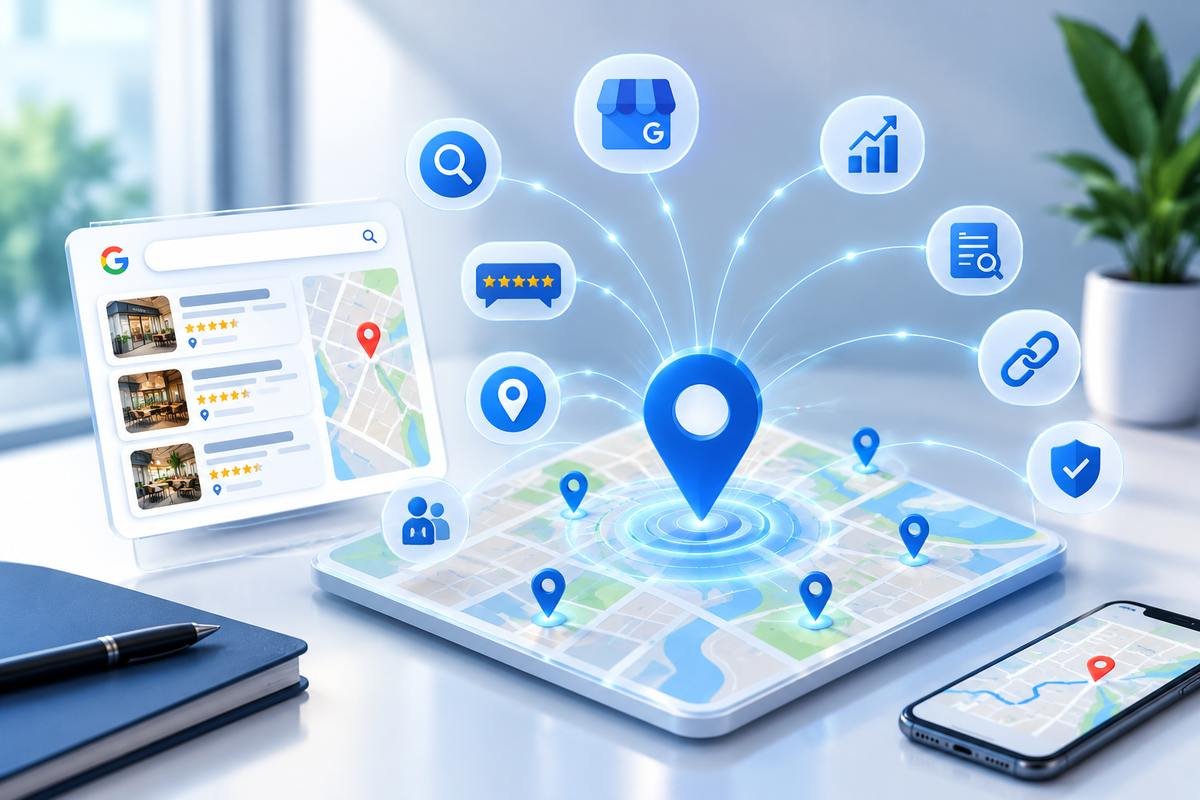

Local SEO services can include Google Business Profile optimization, local keyword and competitor research, on-page SEO, location and service-area content, citations, review management, relevant local links, technical SEO and performance tracking. The exact scope depends on the business's needs, eligibility and current search presence.
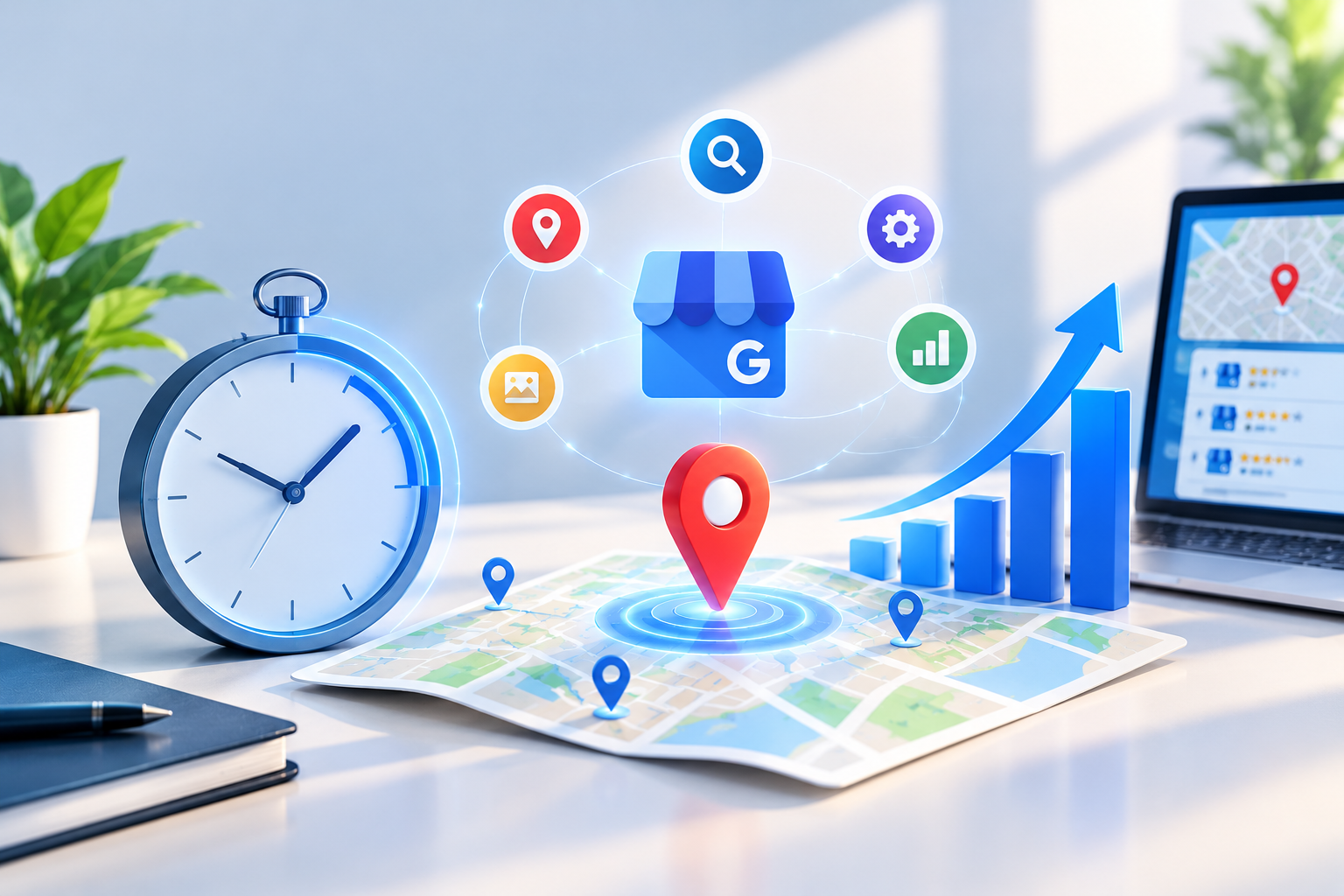

The time required depends on competition, location, website condition, existing business visibility and implementation. Correcting inaccurate business information or resolving technical issues may produce changes sooner than building broader local authority in a competitive market. Sustainable results require ongoing evaluation, and no fixed timeline can be guaranteed.

Yes. Eligible service-area businesses can improve local discoverability through accurate Business Profile information, relevant website content, genuine service-area details and clear contact options. The business must follow Google's eligibility, address-display and service-area guidelines.

A complete and accurate Google Business Profile helps eligible businesses communicate their services, operating information, location or service area, and customer reviews. It can support discovery across Google Search and Maps, although visibility depends on relevance, distance, prominence and other aspects of the search context.

Traditional SEO focuses on improving a website's visibility in organic search results more broadly. Local SEO addresses location-related search intent and may involve Google Business Profile optimization, Maps visibility, local landing pages, reviews and relevant local references. Both approaches can work together to support a business's search presence.

Measurement may include local and organic search visibility, website clicks, Business Profile interactions, calls, booking actions, qualified enquiries and completed optimization work. The most useful reporting connects these indicators with business objectives and accounts for the limitations of the available tracking data.

No. Local rankings depend on factors including relevance, distance, prominence, competition and changes in Google's systems. Responsible Local SEO focuses on improving the quality of a business's search presence without guaranteeing a specific position, number of leads or commercial result.
Your local search strategy should reflect your services, your customers and the areas you genuinely serve.
Tell us about your business, the services you want to grow and your target locations. We can discuss your current local search presence, identify potential gaps and determine which improvements deserve priority.
