


UI/UX Design Services in Canada That Turn Better Experiences into Conversions
Your website shouldn't just look good. It should make it easy for people to understand your offer, trust your business, and take action. We design user experiences that combine thoughtful UI/UX, conversion-focused thinking, Figma, 3D design, and AI-assisted workflows.

Our Design Work Speaks for Itself
A complete interface redesign focused on clearer structure, stronger visual hierarchy, smoother navigation, and a more intuitive experience across devices.

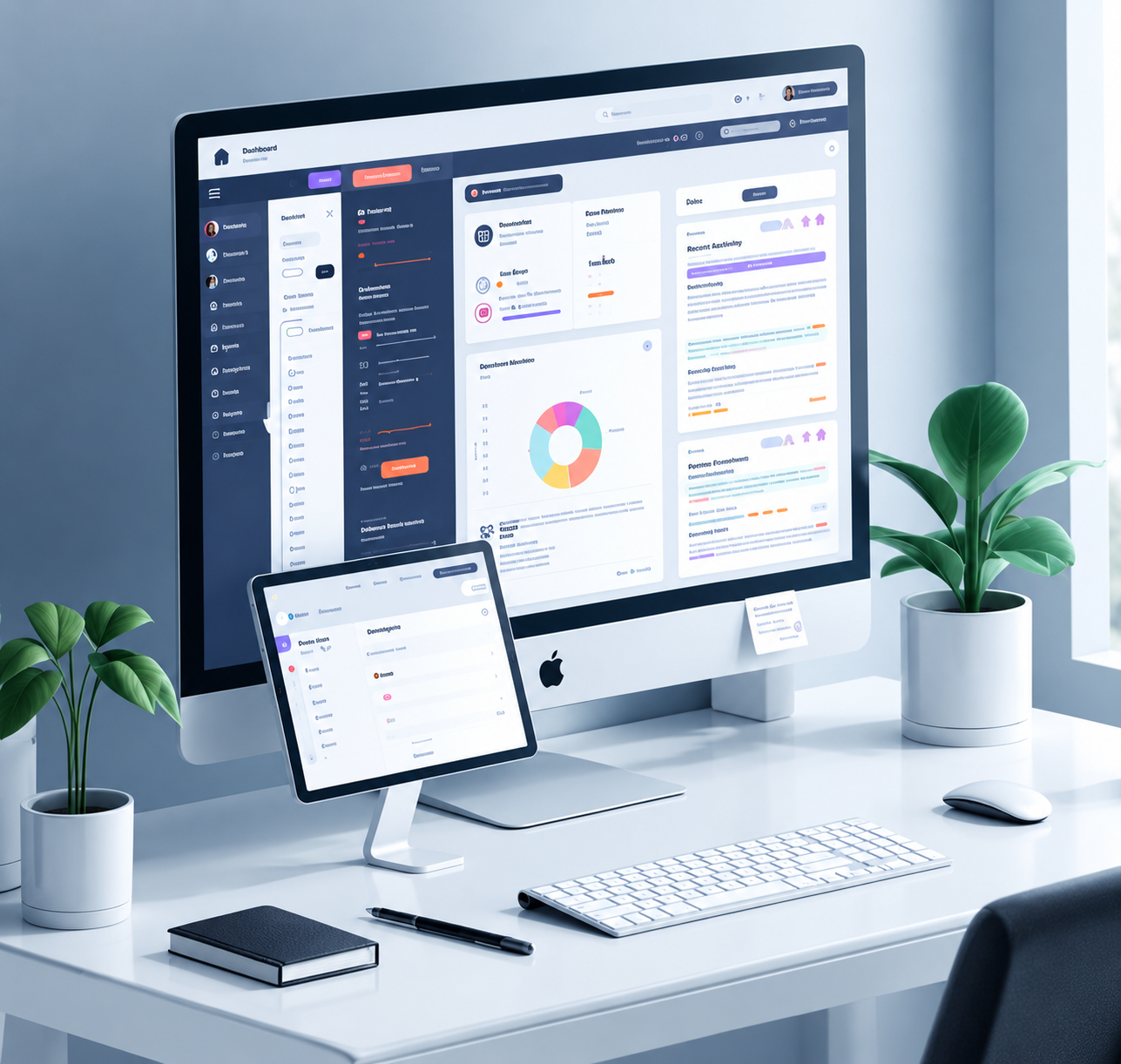
A landing page designed around one goal: helping more visitors take action. We optimize the layout, messaging, CTAs, trust elements, and user journey to reduce friction.

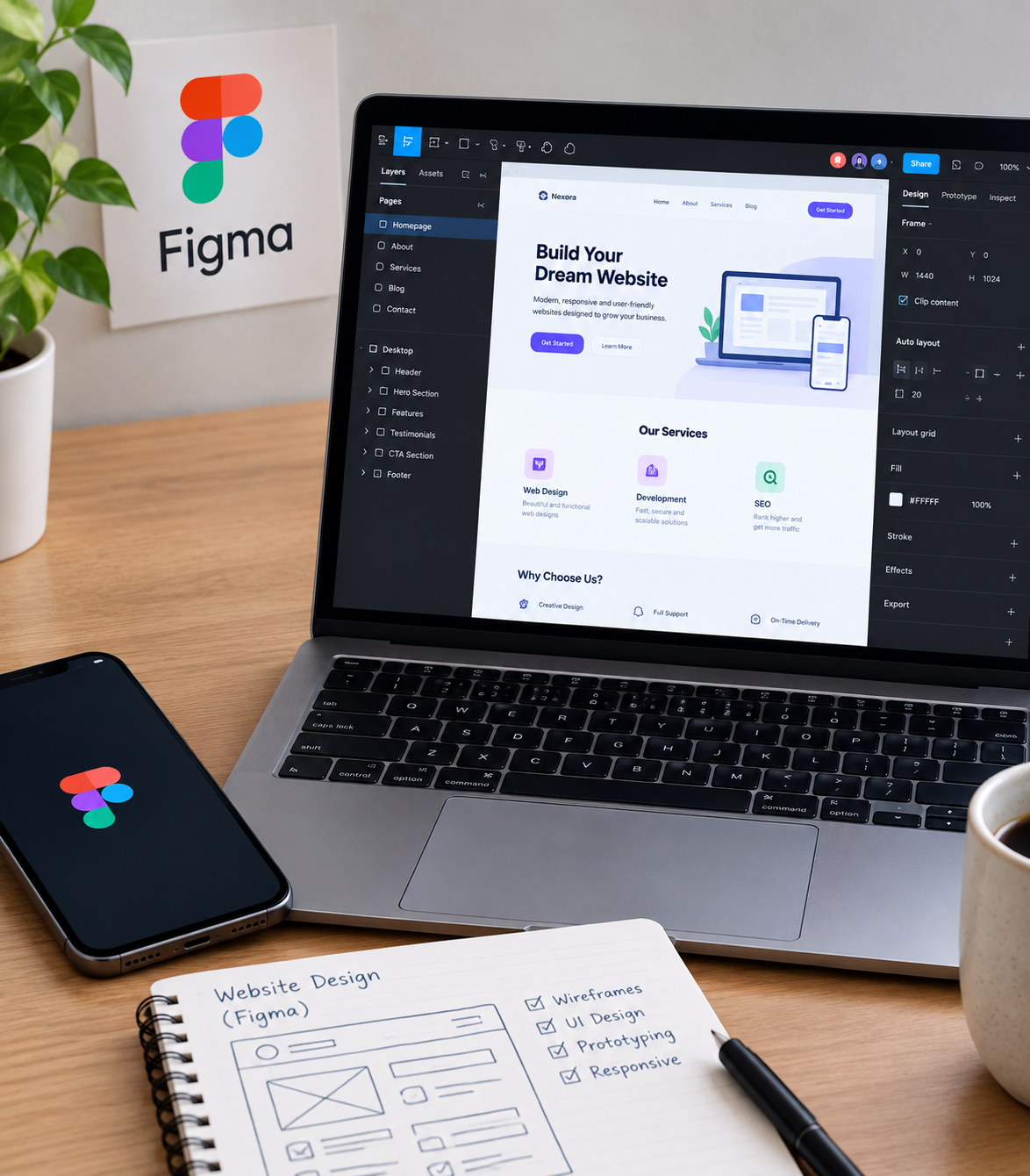
A scalable Figma design system with reusable components, responsive layouts, typography, spacing, and visual guidelines that keep your digital experience consistent.
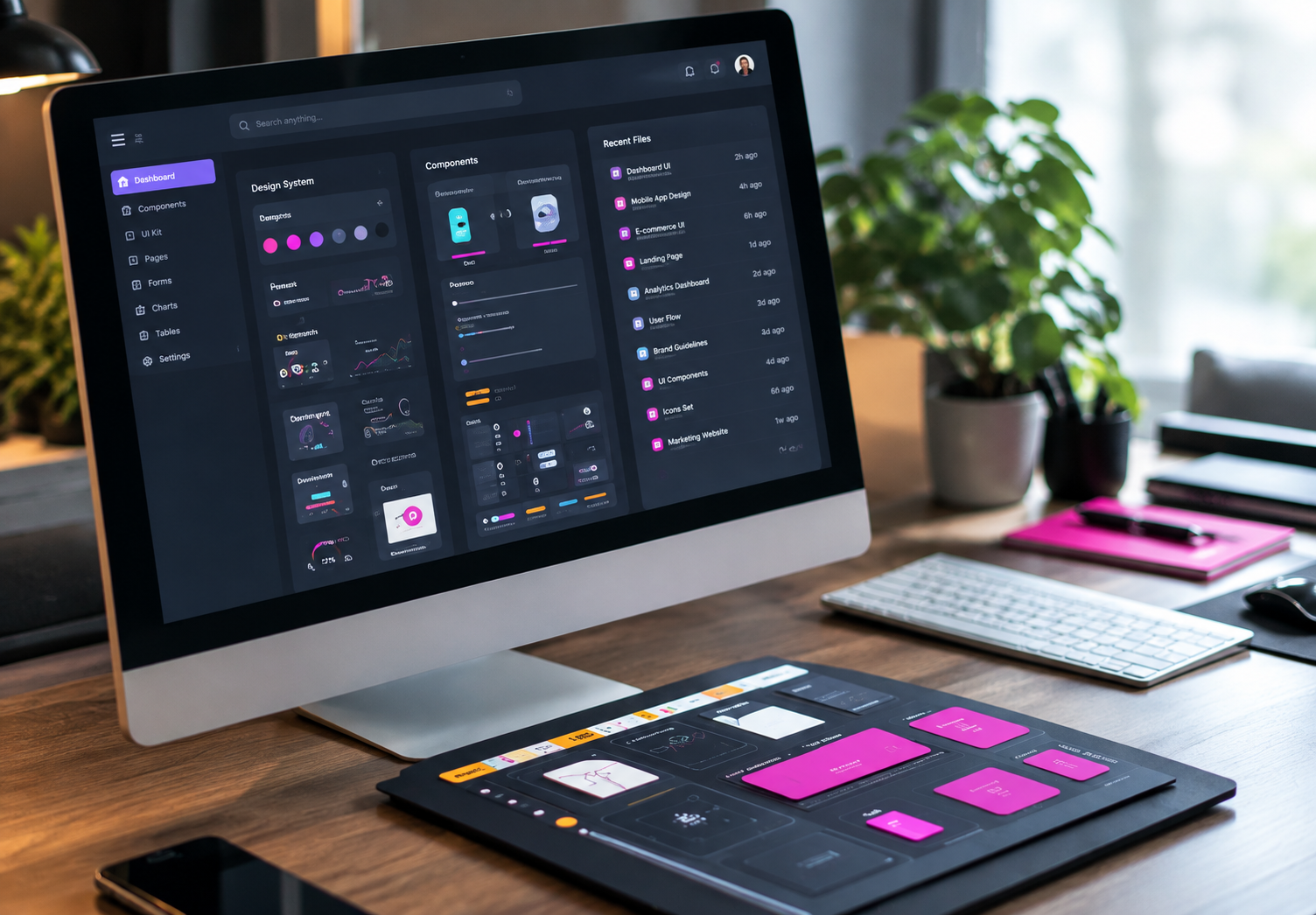
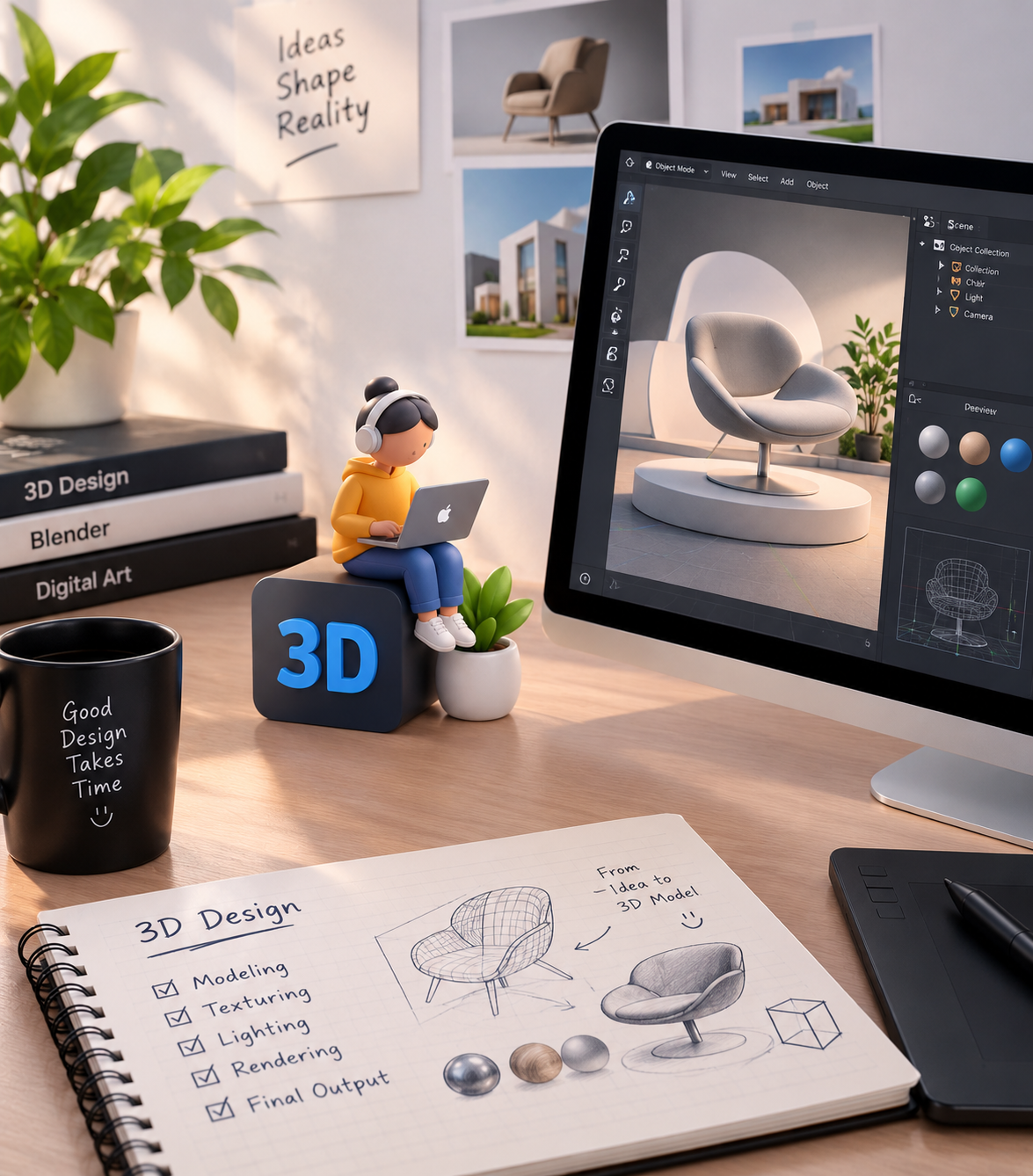
Immersive 3D visuals and interactive design elements created to make digital experiences more engaging, memorable, and visually distinctive.
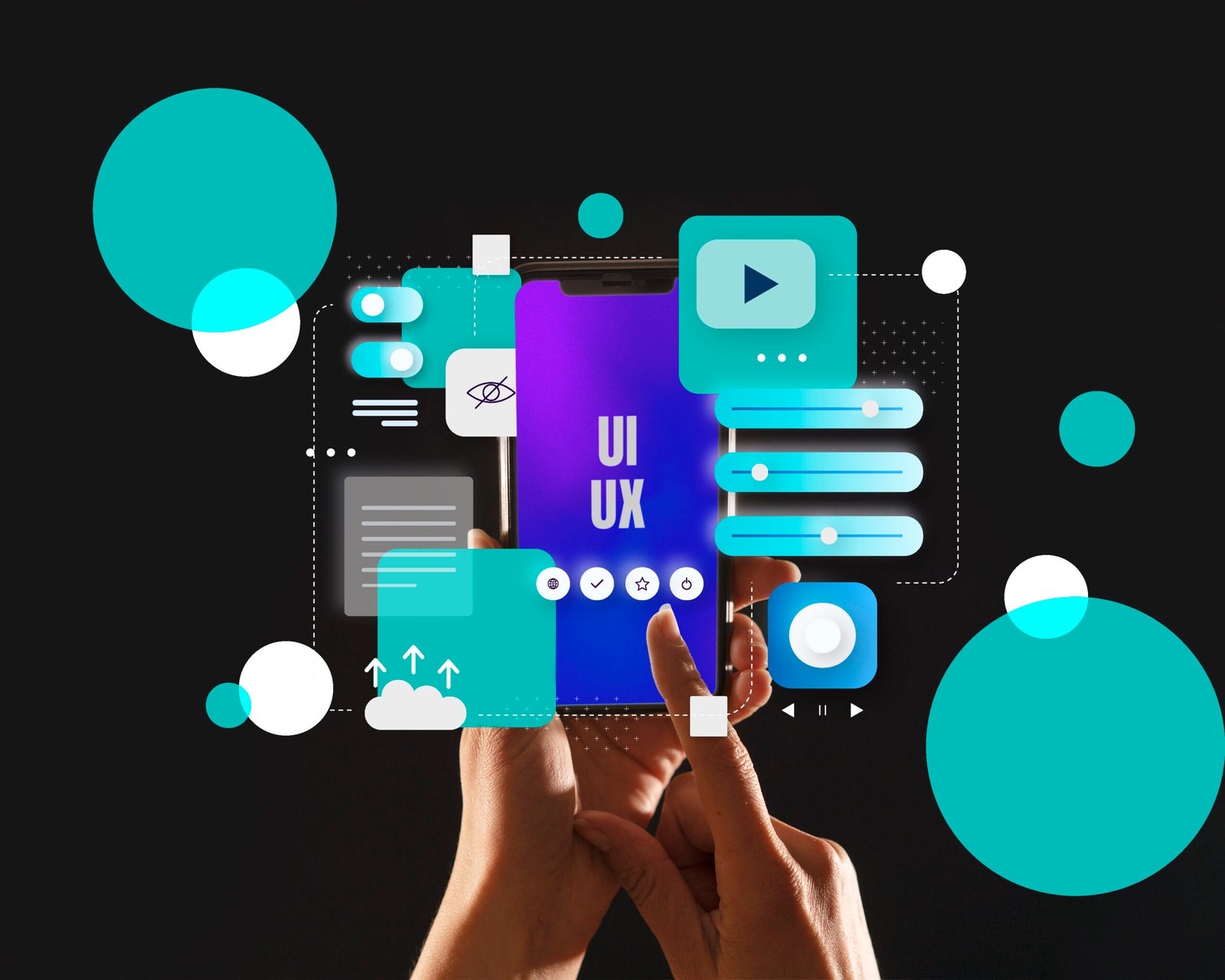
UI/UX & CRO Built Around Your Users
UI Design
We create clean, modern interfaces with strong visual hierarchy, consistent components, responsive layouts, and a clear visual connection between your brand and your audience.
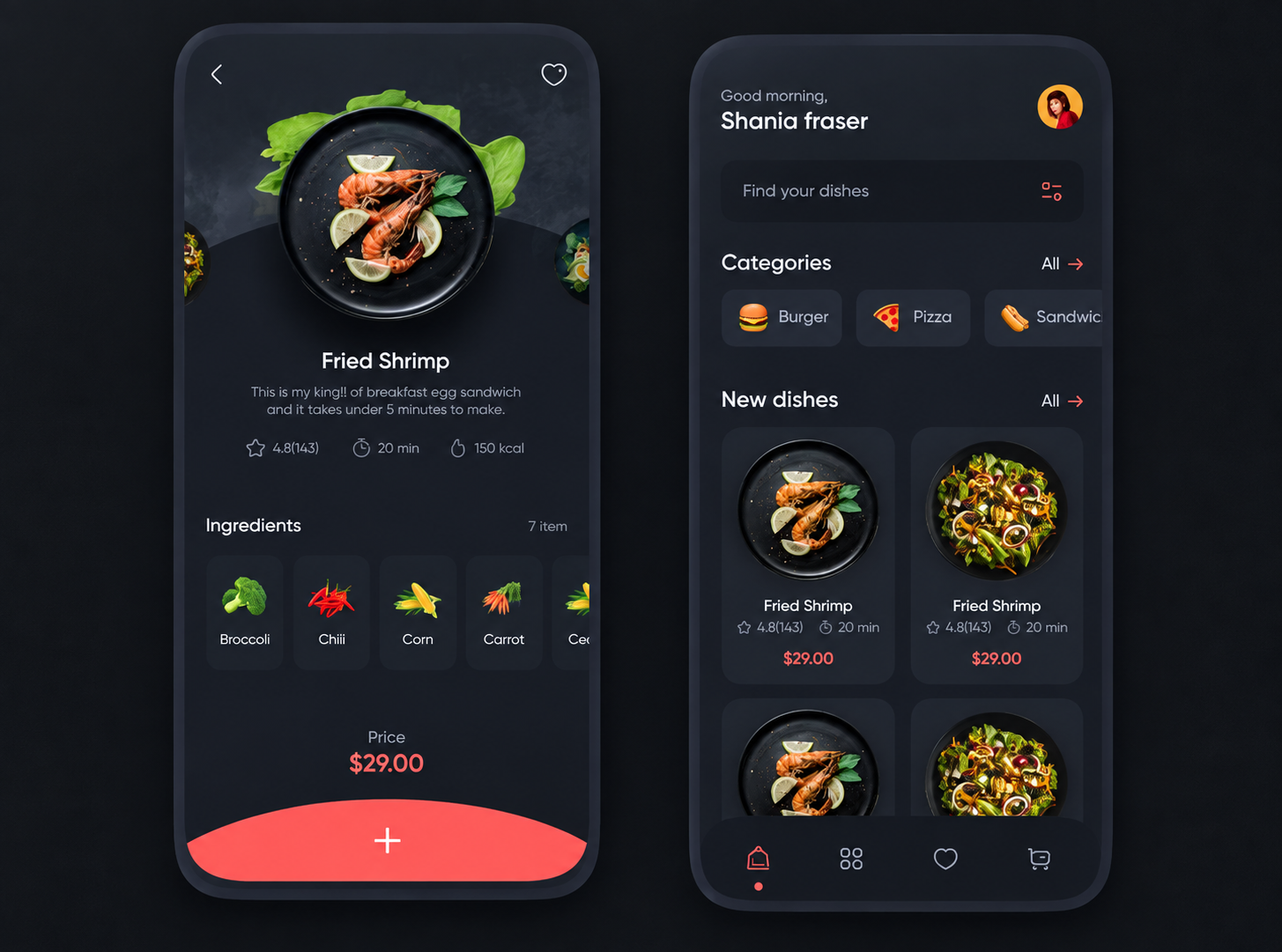
UX Design
We design user journeys around how people actually interact with your website or digital product — making navigation clearer, information easier to find, and actions easier to complete.
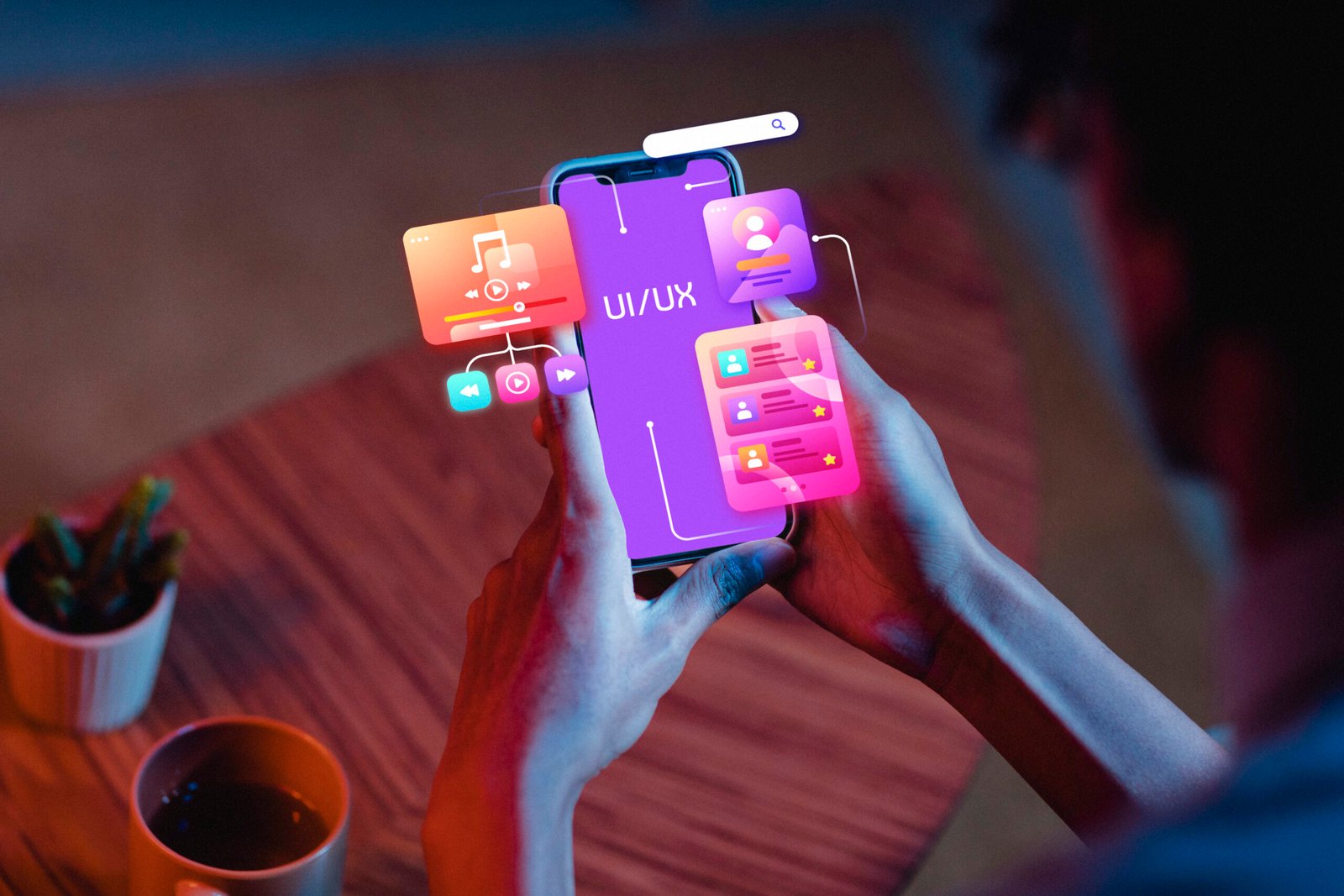
Conversion Rate Optimization
We identify friction across your website and improve page structure, messaging, CTAs, forms, trust elements, and conversion paths to create a smoother journey from visitor to customer.

3D & Interactive Design
We create engaging 3D visuals and interactive experiences that can help products, brands, and websites stand out while adding depth to the overall digital experience.

Built to Perform
Beautiful design gets attention. Great UX keeps people engaged. CRO turns that engagement into action.
More Than a Beautiful Interface. An Experience Built to Convert.
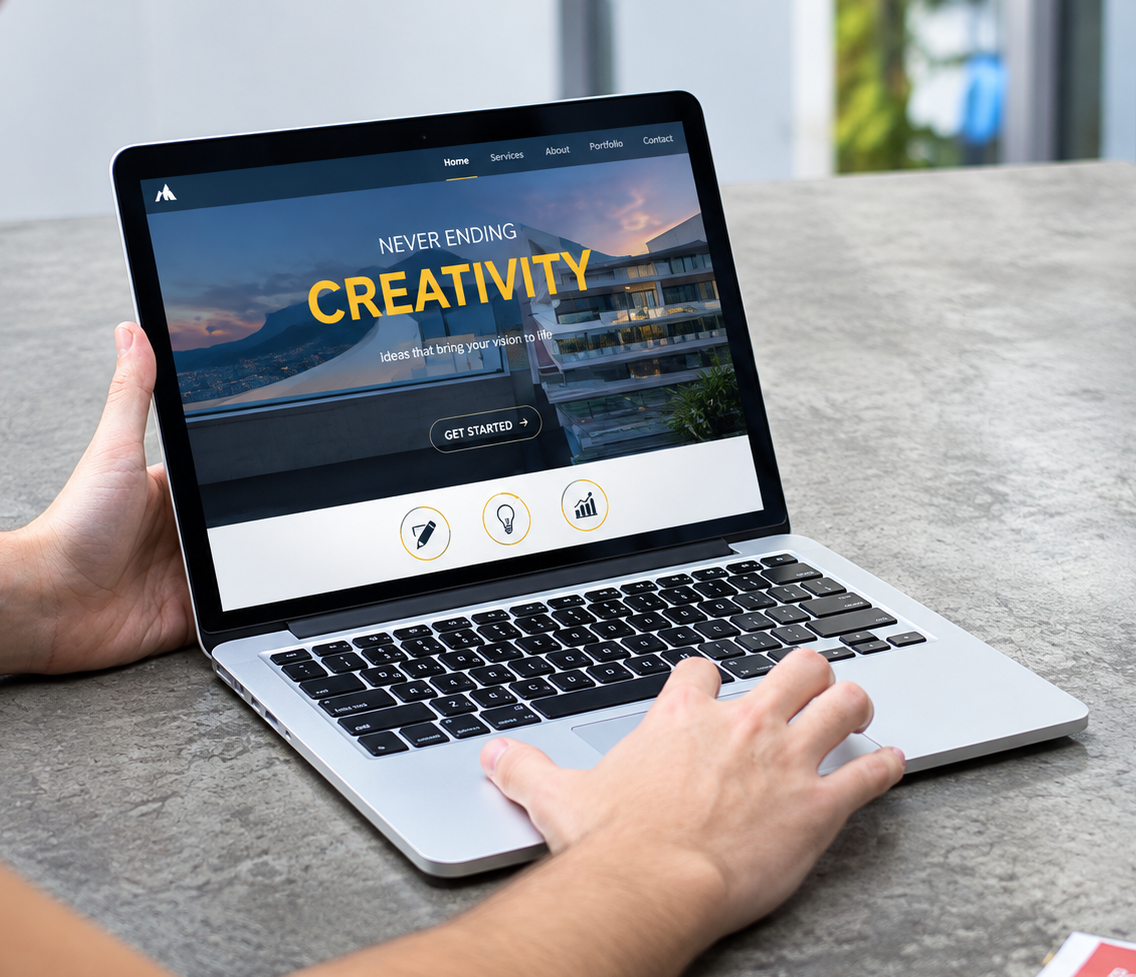
Clear by Design
We organize information, navigation, content, and visual hierarchy so visitors can understand your message without unnecessary effort.

Designed Around Users
Every interface and interaction is considered from the user's perspective — their needs, questions, expectations, and journey.

Built for Conversion
We design important touchpoints around clear calls to action, reduced friction, stronger messaging, trust, and a logical path toward conversion.

Responsive Everywhere
Your users aren't on one device. We design experiences that work smoothly across desktop, tablet, and mobile screen sizes.

Accessible by Design
We consider readable content, clear navigation, sufficient contrast, understandable interactions, and accessible interface patterns to make digital experiences easier to use for a wider range of people.
UX That Supports a Better Search Experience
Great UX doesn’t stop at the interface. The way information is structured, organized, and presented also affects how easily people and search systems can understand a website.
Designed for People. Structured for Discovery.
We consider information architecture, page hierarchy, navigation, content structure, and clear user journeys alongside visual design. This helps create experiences that are easier for users to navigate and easier for search systems to interpret.

A search-ready website needs more than rankings.
We consider how users move through your site, how important information is organized, and how pages connect to one another. Clear structure, meaningful navigation, readable content, and logical information architecture create a stronger foundation for both usability and search visibility.

AI-powered search depends on understanding context.
We design and structure digital experiences with clear information, meaningful page relationships, and well-organized content so important business information is easier to understand across modern search and AI-powered experiences.
UI/UX doesn’t replace AI SEO or SEO. It works alongside them to create a clearer, more search-ready digital foundation.

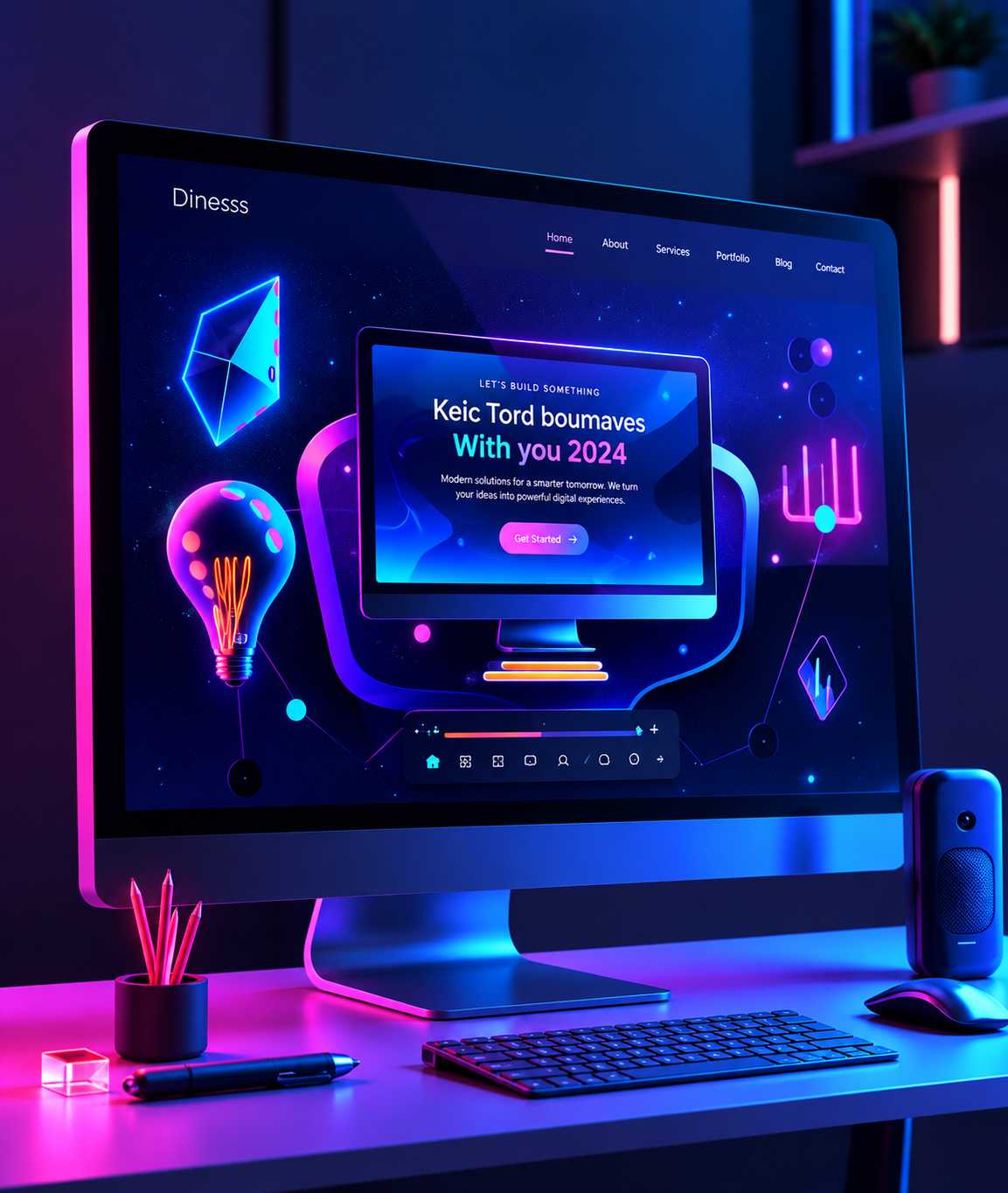


From Research to Experiences People Want to Use
We don’t start with colors and buttons.
Research
Define
Structure
Prototype
Design
Review & Refine
The Tools and Thinking Behind the Experience
Figma
3D Design
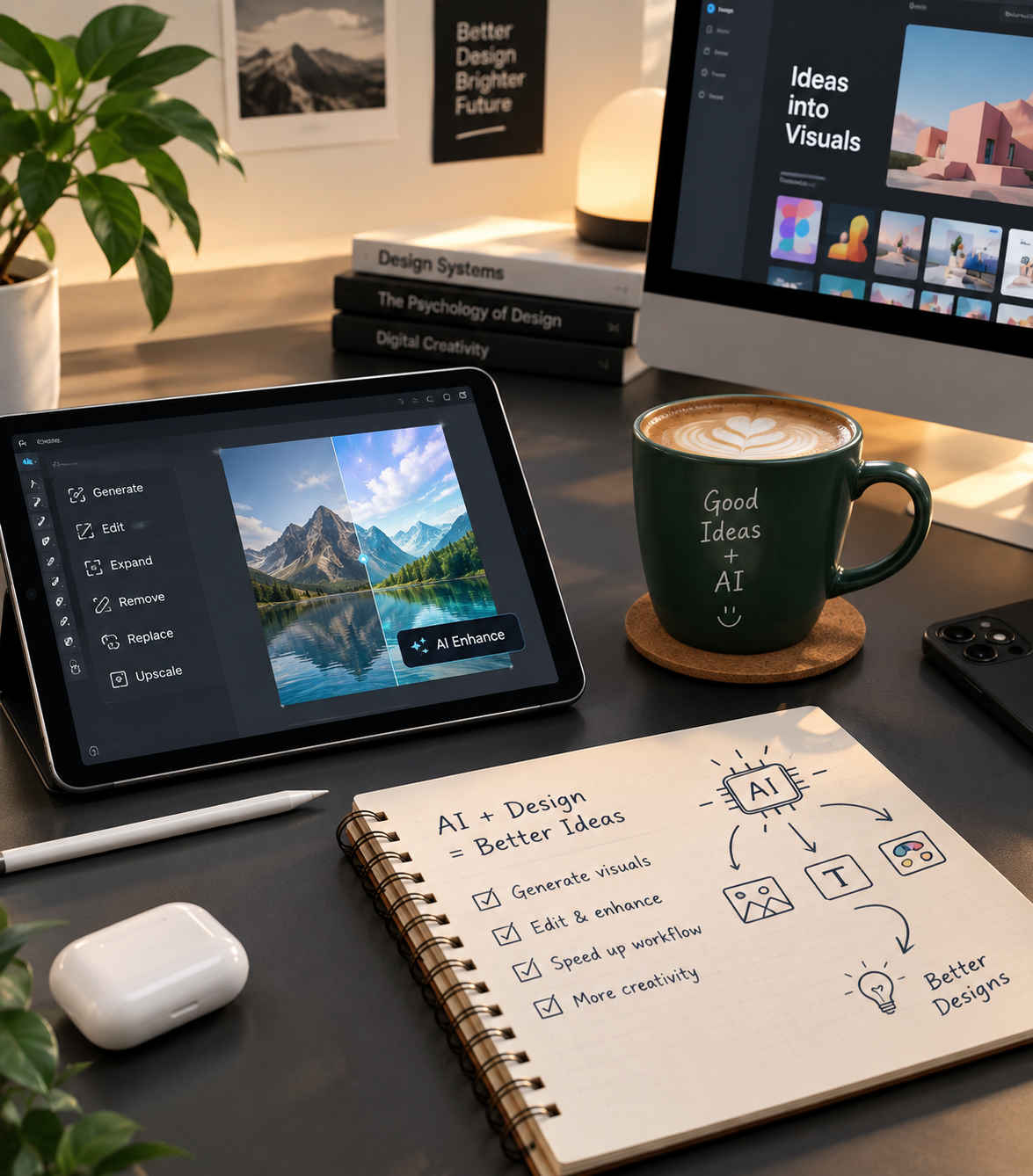
AI-Assisted Design
Design Systems
Interaction Design
Accessibility & Responsive Design
From Strategy to Development-Ready Design
Our design process produces more than attractive screens. Each stage is designed to create a clearer, more usable, and more scalable digital experience.
UX Strategy
User journeys, UX priorities, information architecture, and conversion-focused experience planning.
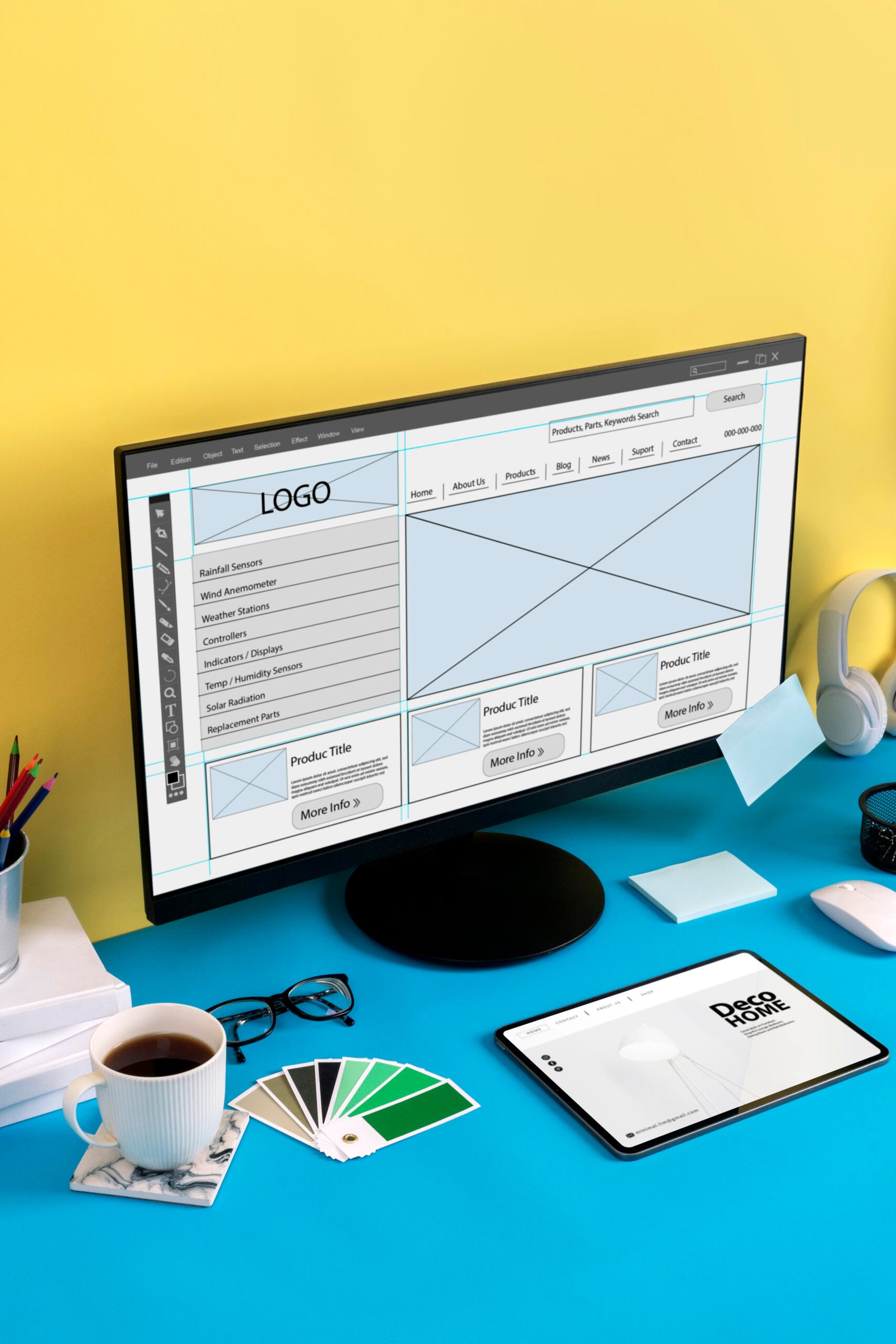
Wireframes & User Flows
Clear page structures and interaction paths that establish how users move through the experience before visual design begins.
High-Fidelity UI Design
Polished, responsive interfaces designed in Figma with clear visual hierarchy, typography, spacing, components, and brand alignment.
Interactive Prototypes
Clickable prototypes that help teams review important journeys and interactions before development.

Design Systems
Reusable components, typography, spacing rules, interaction patterns, and visual guidelines that keep the experience consistent and scalable.
Development Handoff
Organized designs and specifications that give developers a clear foundation for building the final digital experience.


Mobile-First UX
Designed for the Screens Your Customers Actually Use
Your users aren't on one device.
We design mobile experiences first where appropriate, then adapt layouts, navigation, content hierarchy, interactions, and conversion paths across tablet and desktop.
The goal is simple: the experience should remain clear, usable, and effective wherever the user arrives.
Questions You're Probably Asking

What is UI/UX design and why does it matter for business websites?
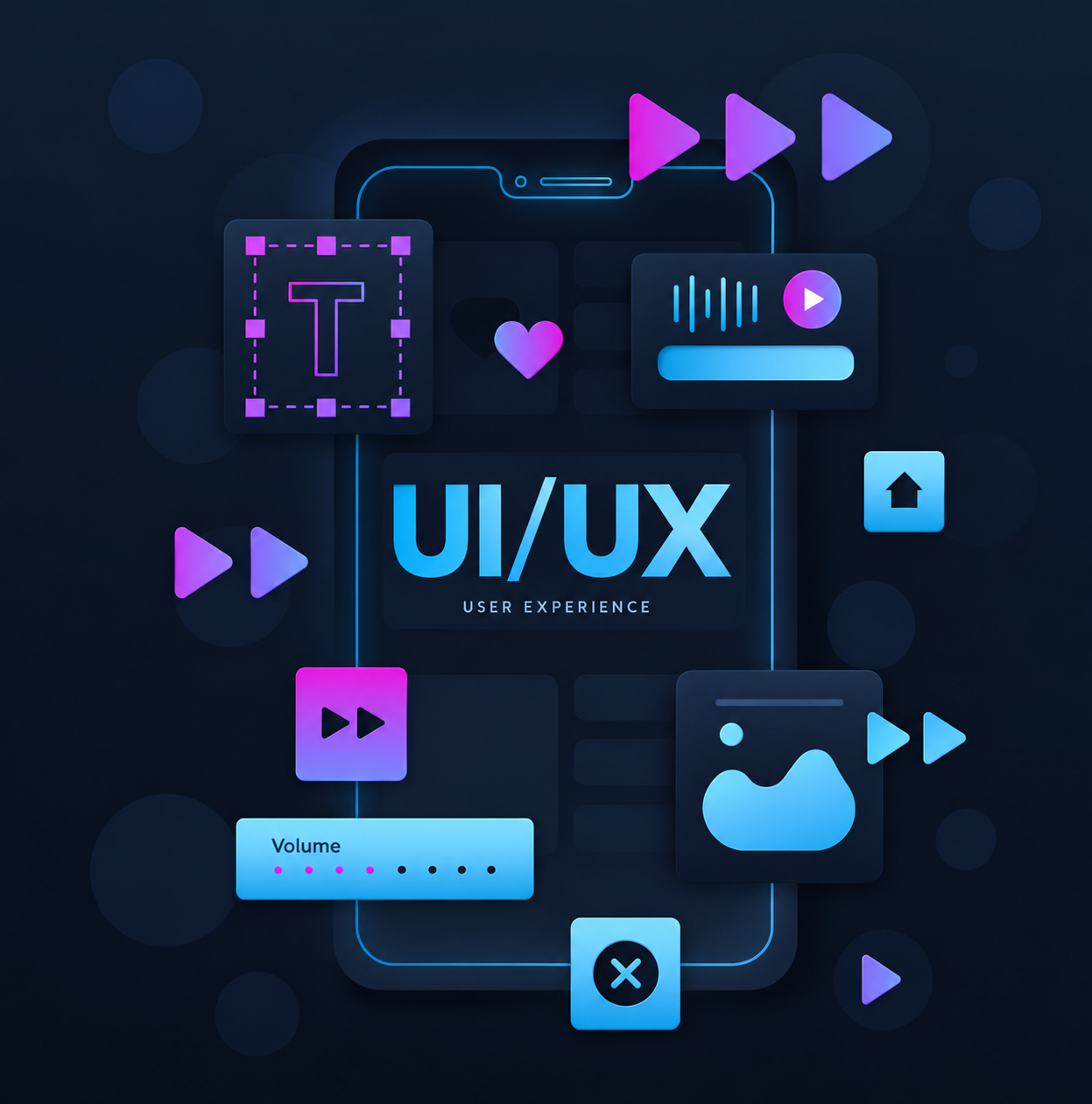

UI (User Interface) is the visual and interactive layer users see. UX (User Experience) is how easy and effective the overall journey feels. Together they determine whether visitors trust the site and take desired actions.
What is the clear difference between UI and UX?


UI focuses on visual design, layout, and interface elements. UX focuses on the complete user journey — how easily people can find information, complete tasks, and feel confident doing so. Strong UI supports strong UX.
Why is good UX design essential for converting website visitors into customers?

Even high traffic fails if users cannot easily understand the offer, navigate the site, or complete key actions. Good UX reduces friction and builds the trust needed for conversions.
How does strong UX directly improve conversion rates?

It removes obstacles, clarifies next steps, builds confidence, and guides users toward meaningful actions. Better experiences turn more of the same traffic into leads or customers.
What makes a website truly easy and enjoyable to use?

Clear hierarchy, fast performance, intuitive navigation, readable content, mobile-friendly design, and logical flow that matches how real users think and behave.
How does visual hierarchy guide users and improve experience?
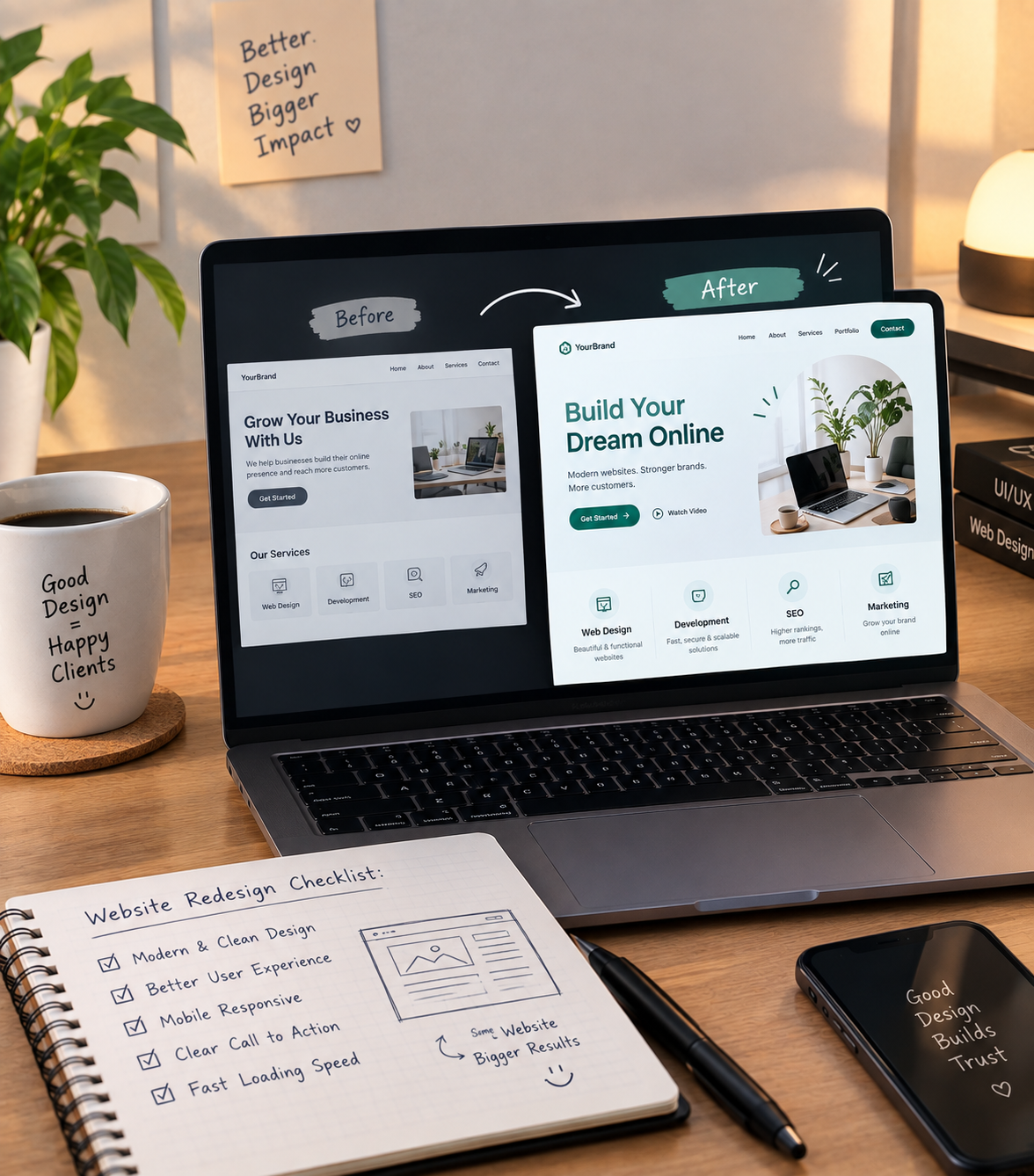
It directs attention to the most important elements first through size, contrast, spacing, and placement. Strong hierarchy helps users scan quickly and understand priorities without confusion.
How can UX design remove friction from the customer journey?

By simplifying forms, clarifying calls-to-action, reducing unnecessary steps, improving page load times, and ensuring information is easy to find exactly when users need it.
Turn More Visitors Into Customers.
Your website shouldn't make people work to understand what you do or what to do next. Let's create an experience that looks better, feels easier to use, and gives more visitors a reason to take action.